







The first Gameweek of the 2026/27 season has already given Fantasy Premier League (FPL) managers plenty to think about, with new options emerging and some pre-season favourites failing to deliver.
For those considering an early Wildcard, we’ll assess the pros and cons of activating the chip ahead of Gameweek 2, before providing a few draft ideas.

PROS

Correct early mistakes
We already know more than we did before Gameweek 1.
Dominik Szoboszlai (£7.0m) taking and scoring a penalty has provided some clarity over his role. He also had complete control over corners and free-kicks, while rumours of Iliman Ndiaye (£6.0m) leaving Everton have calmed slightly. The latter also has penalties, good fixtures and defensive contribution (DefCon) point potential.
An early Wildcard allows managers to react to this new information and correct decisions that may have been based on uncertainty before the season started.
The Wildcard also provides an immediate escape route from teams that haven’t started as expected.
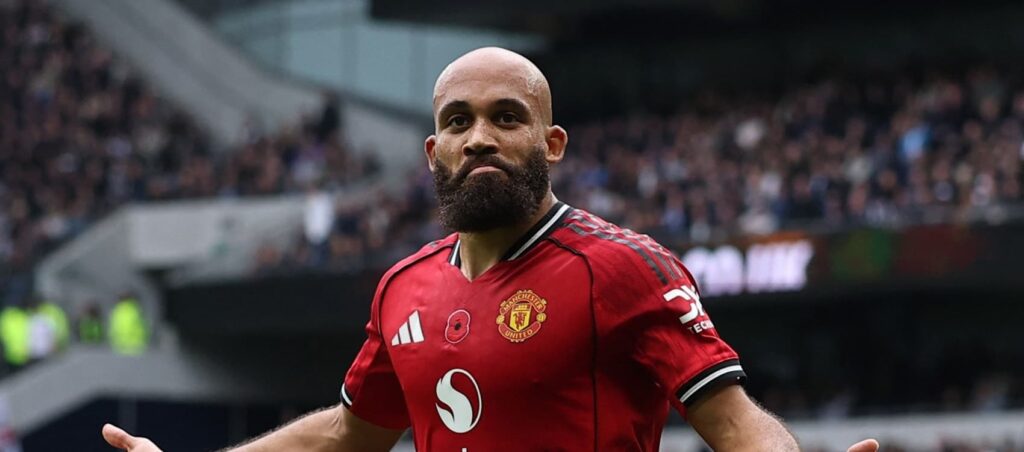
Those who began with Manchester United triple-ups may already be reconsidering after their shock opening-round defeat to Hull City. Rather than spending several Gameweeks and free transfers gradually correcting these issues, Wildcarders can immediately move their money towards teams and players they now trust more.
Jump on emerging options
Gameweek 1 also produced several encouraging signs. Mamadou Sangaré (£5.5m) looks particularly interesting after delivering two assists and DefCon points, while Newcastle United performed better than many expected in their draw with Liverpool and now have some good fixtures ahead.
Chelsea’s attack also made an immediate impression. Cole Palmer (£9.5m), Morgan Rogers (£7.5m) and Joao Pedro (£7.5m) all scored against Fulham, with the trio looking sharp throughout. Moving away from Marco Palestra (£5.5m), who missed Gameweek 1 with a minor setback, could be another benefit.
Brentford impressed again, whereas Tottenham Hotspur continued to look poor. There is also the opportunity to jump on new value options such as Arsenal signing Ezri Konsa (£4.5m).
Post-Bench Boost overhaul
Plenty of managers built deeper 15-man squads specifically to Bench Boost in Gameweek 1. With that chip now used for some, a Wildcard allows money to be taken from the substitutes bench and pumped into the starting XI.
Build team value early
An early Wildcard also provides an opportunity to jump on players attracting transfers after Gameweek 1 before potential price rises.
Catching several early risers can increase squad value and potentially provide more spending power later in the season. Equally, moving away from heavily sold players before price drops can help protect the value already invested in the squad.
However, as of Tuesday, there still haven’t been any price rises/falls!
CONS
A very small sample size
The biggest issue is that we’ve only seen one Gameweek. A strong or poor opening performance doesn’t necessarily tell us how a player or team will perform over the coming weeks.
Man Utd and Spurs could quickly improve, for example, while some of the Gameweek 1 standouts may simply have benefited from one good performance. Wildcarding now increases the risk of chasing points that have already happened.
More information is coming
Waiting even another couple of Gameweeks would give managers much more evidence on minutes, tactical roles, set pieces and DefCon potential.
It should also become clearer which cheap players are genuinely reliable starters and which teams are actually good or bad, rather than making those judgements after 90 minutes.
The summer transfer window is still open, too.
You lose a powerful chip
Using the Wildcard now means it won’t be available when your squad potentially needs major surgery later.
Injuries, suspensions, transfers and significant fixture swings could all create a much stronger Wildcard opportunity. Managers with reasonable Gameweek 1 squads may therefore be better off fixing one or two problems with free transfers.
The international break
An early international break provides another reason to consider waiting. Players can pick up injuries while away with their countries, while the extra time between Gameweeks can also bring team news and changes in expected minutes.
Wildcarding on the other side of the three-week break could therefore provide managers with considerably more information.
Your original picks weren’t necessarily wrong
One blank shouldn’t completely change an assessment made over several weeks of pre-season research.
Good FPL assets will blank and weaker options will occasionally haul. If the original squad still has good fixtures and secure starters, ripping it apart after one disappointing Gameweek could do more harm than good.
FERNANDES + HAALAND DRAFT


The rest of this article below is completely free to read but requires a Fantasy Football Scout user account for access – you can get yours at no cost here


