







Selling a hauler and buying a blanker! In our latest community article, FPL_Runpharm examines the fabled Fantasy ‘transfer curse’ – and looks for saner answers.
There is a special kind of pain in Fantasy Premier League (FPL). Not the ordinary kind, like when your captain misses a penalty, or when your midfielder gets subbed off at the 59th minute. The pain I’m talking about is something more spiritual. Something supernatural. Something that feels… personal.
Everyone has experienced it at some point. You buy a player, and he blanks. You sell a player, he hauls. And sometimes, this doesn’t happen once. Not even twice. It runs for a full three-Gameweek arc like a mini-series. If this were any other hobby, we’d call it a coincidence. Because it is FPL, we call it a curse.
The Things We Tell Ourselves at 3am
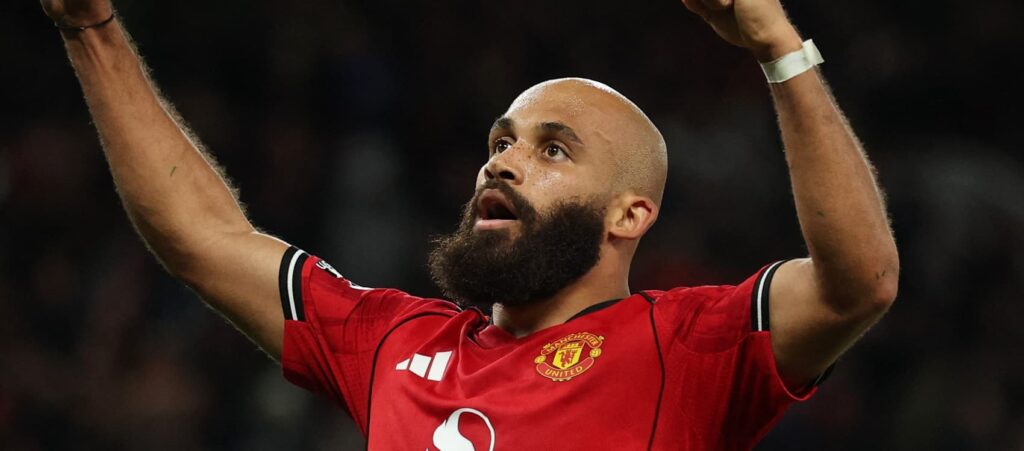
Some managers genuinely believe this curse is their fault. They actually apologise for buying players. You’ve seen it happen.
For example, Trump (presumably not that one) said before Gameweek 10: “Guys, sorry. I brought Mbeumo in. He’s finished. Please stay away for your own safety.” In Gameweek 10, Bryan Mbeumo (£8.5m) blanked against Nottingham Forest despite Manchester United scoring two goals and him recording 0.55 xGI.
The community’s reaction was immediate: “Oi, bro, why do you touch him?” People speak like Trump personally drained the player’s scoring energy. As if somewhere in the City Ground, Mbeumo wound up for a shot and mid-swing thought: “Wait. Trump just transferred me in. Time to plant this into Row Z.”
This is not just FPL drama. It is a documented psychological effect.
“People value outcomes more when they believe they influenced them, even when they objectively did not.” – Ellen Langer, Illusion of Control
Main Character Syndrome
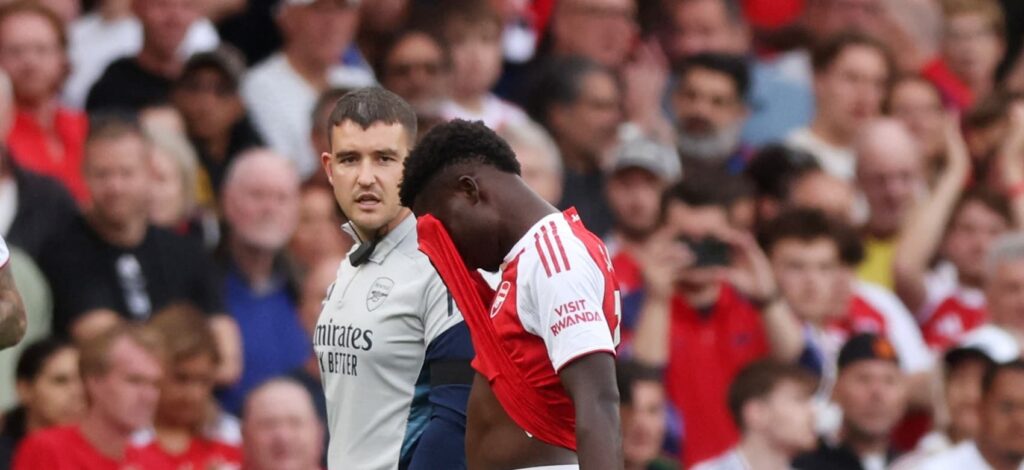
Many of us behave like the main character of the universe. We (including myself!) grow up believing everything revolves around us, and that belief quietly lingers into adulthood.
You do not just own Bukayo Saka (£10.1m). You believe Saka plays for you. He misses two big chances in Gameweek 10? It feels personal and you sell him, so that you can double/triple up on the Arsenal defence. He scores the following Gameweek? You become convinced he did it because he hates you.
Psychologist Anthony Greenwald describes this phenomenon as the ‘totalitarian ego’. Our mind edits reality to keep ourselves at the centre of the story. Not because it is true, but because it feels comfortable.
Yes, the Curse is REAL – But Not for the Reason You Think

The answer is… ‘regression to the mean’. When a player performs exceptionally well for a stretch, the probability of their output returning to average increases.
For example, Antoine Semenyo (£8.1m) suddenly stops scoring and even misses a penalty. No one can continue scoring endlessly (unless their name is Erling Haaland (£14.9m), but even Haaland misses a penalty now and again).
More examples: Arsenal defenders concede two goals to Sunderland after a run of clean sheets. No team keeps clean sheets forever (unless they are Chelsea in 2004/05).
When a player blanks repeatedly, the probability of scoring again goes up. The obvious example being Joao Pedro (£7.5m) scoring two Gameweeks in a row the moment everyone sold him.
It is not magic or fate, just simply numbers returning to normal.
The Magnifying Glass
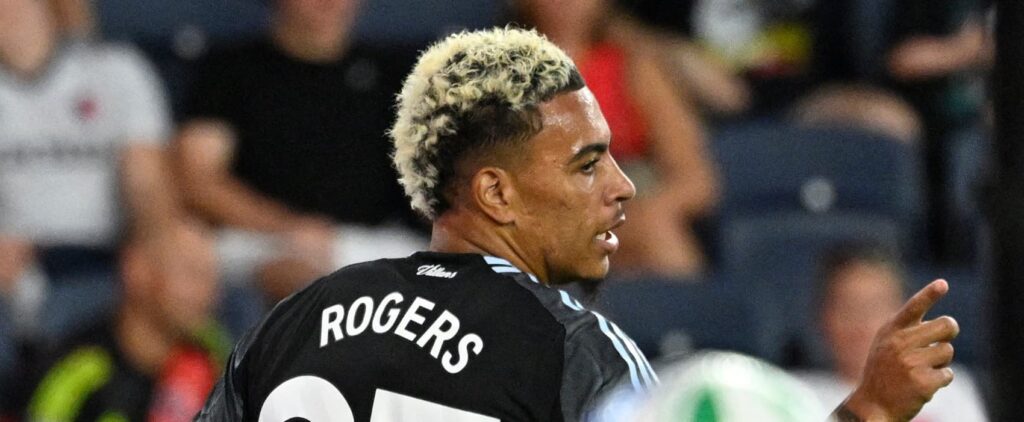
Remember early in the season when Ollie Watkins (£8.5m) and Morgan Rogers (£6.8m) were highly owned? When a player is heavily owned, every blank becomes dramatic, every haul becomes meaningful, every timing feels personal. Those were the times they were heavily discussed and debated.
Now, both are owned by fewer managers (<10% ownership). The emotional spotlight is gone. People don’t care anymore, just like they now care about the Pedros or the Semenyos. Someday, maybe people will stop caring about Semenyo. We remember the dramatic, not the ordinary.
Sunk Cost Fallacy
Arkes & Blumer describe the ‘sunk cost fallacy’ as continuing something only because you have already invested in it. Sometimes, we don’t hold players because they are performing. We hold them because we have already held them. So when we finally sell, the emotional memory of previous blanks stays with us. When the player scores immediately after we sell, it doesn’t just feel unlucky – it feels like betrayal. Even if the next five Gameweeks, he blanks again.
If you are still reading at this point, congratulations. You are not cursed. You are not unlucky. Nor are you the villain of your own FPL storyline. You are just a human brain trying to find patterns inside chaos. And sometimes, chaos really does score the very week you sell it.
- READ NEXT: Palace + Arsenal fixtures moved – but stay in FPL Gameweek 17
- READ NEXT: Goals + assists imminent! Who is ‘due’ in FPL Gameweek 12?


